

ESG Packaging in 2027: How Sustainable Packaging Is Driving Global Business Growth
ESG Packaging Is Reshaping the Future of the Packaging Industry
Sustainability has become a key business priority rather than simply an environmental initiative. Around the world, governments are introducing stricter regulations, consumers are making more responsible purchasing decisions, and global brands are integrating Environmental, Social, and Governance (ESG) principles into every stage of their supply chains.
As a result, packaging is no longer evaluated solely by cost and functionality. Today, businesses are expected to deliver packaging solutions that reduce environmental impact, promote ethical manufacturing, and comply with international sustainability standards.
For manufacturers, retailers, and importers, adopting ESG packaging is becoming an essential strategy for achieving long-term growth and maintaining a competitive position in global markets.
Why ESG Packaging Has Become a Business Priority
International regulations and sustainability commitments continue to reshape the packaging industry. Initiatives such as the EU Packaging and Packaging Waste Regulation (PPWR), Extended Producer Responsibility (EPR), and carbon reduction programs are encouraging companies to rethink the materials and manufacturing processes behind their packaging.
Today’s buyers increasingly look for suppliers that can provide:
- Recycled and recyclable packaging materials
- Environmentally responsible production processes
- Ethical manufacturing practices
- Transparent supply chain management
- International certifications and regulatory compliance
Businesses that adopt ESG packaging are better prepared to meet customer expectations while reducing future regulatory risks.
The Three Core Elements of ESG Packaging
Environmental Sustainability
The environmental aspect of ESG focuses on minimizing the impact of packaging throughout its entire lifecycle.
Key approaches include:
- Increasing recycled content
- Reducing virgin plastic usage
- Improving recyclability
- Lowering carbon emissions
- Supporting circular economy initiatives
Packaging manufactured with certified recycled materials, such as GRS-certified PCR plastics, is becoming increasingly popular among international buyers seeking sustainable sourcing partners.
Social Responsibility
Sustainable packaging extends beyond environmental performance.
Global brands increasingly evaluate manufacturing partners based on workplace standards and social responsibility.
Important considerations include:
- Safe and healthy working conditions
- Fair employment practices
- Employee welfare and training
- Responsible sourcing
- Compliance with international labor standards
Strong social responsibility helps build long-term trust throughout the supply chain.
Governance and Supply Chain Transparency
Reliable governance ensures that sustainable commitments are backed by measurable actions.
Packaging manufacturers are expected to maintain:
- Certified quality management systems
- Material traceability
- Product compliance documentation
- Internal audit procedures
- Transparent business operations
These practices improve product reliability while giving customers greater confidence in their sourcing decisions.
Business Benefits of ESG Packaging
Companies investing in ESG packaging gain advantages that extend well beyond environmental compliance.
Easier Access to International Markets
Many countries are strengthening packaging regulations. Sustainable packaging solutions help exporters meet import requirements more efficiently.
Stronger Brand Value
Consumers increasingly support companies that demonstrate genuine environmental and social responsibility. Sustainable packaging contributes to stronger brand recognition and customer loyalty.
More Resilient Supply Chains
Working with certified suppliers using traceable materials helps reduce supply chain disruptions while ensuring consistent product quality.
Increased Investor Confidence
ESG performance is becoming an important factor for investors and business partners. Companies with clear sustainability strategies are often viewed as lower-risk and better prepared for future market changes.
Emerging ESG Packaging Trends for 2027
Several industry developments are expected to shape the global packaging market in the coming years:
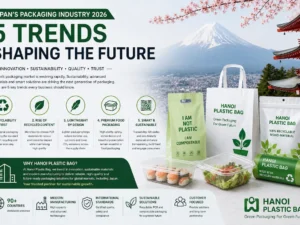
- Greater use of recycled plastic materials
- Expansion of circular economy manufacturing
- Carbon footprint monitoring
- Digital Product Passports (DPP)
- Extended Producer Responsibility (EPR)
- Enhanced product traceability
- Rising demand for internationally certified packaging
Businesses that adopt these practices early will be better positioned for sustainable growth.
Hanoi Plastic Bag – Supporting Sustainable Packaging Worldwide
At Hanoi Plastic Bag, sustainability is integrated into both manufacturing and product development.
With nearly two decades of experience serving international markets, we provide flexible packaging solutions that help customers reduce environmental impact while maintaining high product quality and reliable supply.
Our sustainable product portfolio includes:
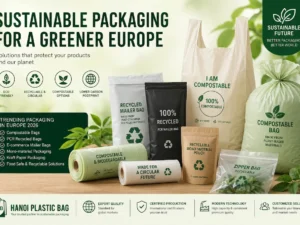
- Recycled plastic packaging
- PCR shopping bags
- Compostable bags
- Poly mailers
- Garbage bags
- Agricultural packaging
- Food packaging bags
- OEM and private label packaging solutions
Designed for export markets, our products support customers in achieving their ESG objectives while complying with international quality requirements.
Frequently Asked Questions
What is ESG packaging?
ESG packaging refers to packaging developed according to Environmental, Social, and Governance principles. It emphasizes sustainability, ethical manufacturing, and transparent supply chain management.
Why should companies adopt ESG packaging?
Sustainable packaging helps businesses comply with international regulations, strengthen brand reputation, improve supply chain resilience, and support long-term business growth.
What materials are commonly used in ESG packaging?
Common materials include post-consumer recycled (PCR) plastics, recyclable polyethylene (PE), and certified compostable materials.
Which industries benefit from ESG packaging?
ESG packaging is widely used across retail, e-commerce, logistics, agriculture, food processing, healthcare, and industrial manufacturing.
Does Hanoi Plastic Bag offer customized sustainable packaging?
Yes. Hanoi Plastic Bag provides OEM, ODM, and private-label packaging solutions with customized sizes, printing options, and flexible production capabilities to meet the specific needs of global customers.
Partner with Hanoi Plastic Bag
As sustainability continues to influence global purchasing decisions, choosing the right packaging manufacturer is more important than ever.
Hanoi Plastic Bag is committed to delivering reliable, environmentally responsible, and export-ready packaging solutions that support your ESG strategy and strengthen your business for the future.
Contact Hanoi Plastic Bag today to explore customized sustainable packaging solutions designed for your global market.