

High-Density Polyethylene (HDPE) Film: Properties, Applications, and Benefits
Introduction:
- Briefly introduce HDPE film and its significance in various industries.
- Mention that HDPE is a versatile plastic known for its strength and durability.

What is High-Density Polyethylene (HDPE) Film?
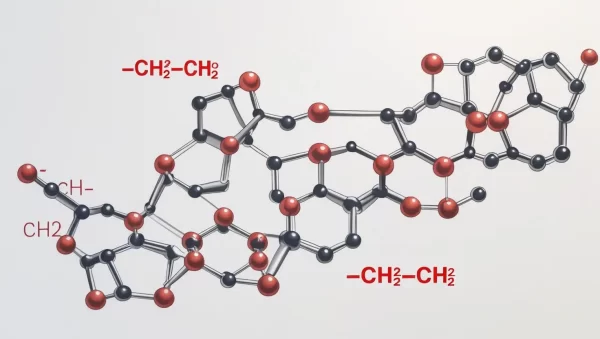
- Explain that HDPE film is made from linear polyethylene molecules packed closely together, resulting in a higher density compared to LDPE.
- Mention its natural milky white color, which can range from translucent to semi-translucent depending on the density.
Key Characteristics/Properties of HDPE Film:
- Strength and Toughness: Highlight its high impact strength and good tensile strength. Note that while strong, it might not be the most puncture-resistant.
- Chemical Resistance: Emphasize its resistance to many industrial and household chemicals, including strong oxidizing agents, organic solvents, and acid-based salts. It’s also resistant to stress cracking.
- Waterproof and Non-Hygroscopic: Explain that it doesn’t absorb water, making it suitable for various packaging applications.
- Good Machinability and Weldability: Mention that it can be easily processed and is suitable for fusion welding.
- UV Resistance: State that it offers good resistance to ultraviolet light.
- Odorless and Non-Toxic: This makes it safe for food packaging.
- Flexibility: While being hard and sturdy, it is also flexible and conforms well to surfaces, although less rigid than some other plastics.
- Poor Gas Barrier: Note this as a limitation in applications where gas impermeability is crucial.
Applications of HDPE Film:
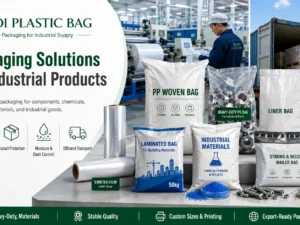
- Packaging Industry:
- Food and beverage bottles.
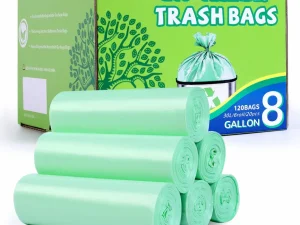
- Plastic bags (e.g., grocery bags, garbage bags, hemmed bags).
- Industrial liners.
- Food packaging for preserving freshness due to moisture resistance.
- Covering building materials.
- Roofing solutions.
- Window films.
- Vapor retarders.
- Flooring and countertop protection.
- Agricultural Applications: (Though less detailed in the search results, you can mention films used in agriculture).
- Construction Industry: (Again, less detailed, but potential use in certain protective films).
- Healthcare Applications: (Specific examples would be beneficial here if you find more details).
- Consumer Goods: (e.g., recycled plastic storage bins, outdoor furniture, playground equipment, auto parts).
- Environmental Applications: (e.g., plastic recycling bins, compost bins).
Benefits of Using HDPE Film:
- High Strength-to-Density Ratio: Offers excellent strength without being excessively heavy.
- Durability: Long-lasting and resistant to wear and tear.
- Chemical Resistance: Suitable for a wide range of products and environments.
- Weather Resistance: Can withstand various weather conditions.
- Low Water Absorption: Maintains integrity even in moist environments.
- Food Safety: Safe for direct contact with food.
- Recyclability: HDPE is recyclable, making it an environmentally friendly choice.
- Cost-Effective: Generally an economical material for many applications.
- Environmentally Friendly: Considered a “green” petrochemical product.
- Fire-Proof (Inflammable): While the search results mention this, it’s worth double-checking the exact phrasing as plastics can vary in flammability.
- Rigid (in some contexts): While flexible, it can also offer rigidity depending on the thickness and specific type.
Additives to Enhance Properties:
- Mention that various additives can be incorporated to improve specific properties, such as:
- UV Stabilizers for better UV resistance.
- Antioxidants to prevent degradation during processing and use.
- Colorants for aesthetics and identification.
Conclusion:
- Summarize the key benefits and applications of HDPE film.
- Reiterate its importance as a versatile and widely used material.